Disclosure: I build StemConsole, one of the tools below. Apps change their features and prices often, so check each one’s own site or app store listing before you pay.
At a glance
| App | Runs on | Pricing model | Standout feature | Main limitation |
|---|---|---|---|---|
| Transcribe! | Windows, Mac, Linux | One-off licence, free trial | Spectrum view and chord guessing for transcription | Desktop only, dated interface |
| Anytune | iPhone, iPad, Mac, Android | One-off on Apple; subscription on Android | Very slow playback, flexible marks and loops | No Windows or web |
| Amazing Slow Downer | Windows, Mac, iPhone, Android | One-off purchase per platform | Simple and reliable everywhere | No instrument isolation |
| Moises | Web, iPhone, Android, desktop | Free plan; subscriptions | AI stems plus chord detection | Best features on paid plans |
| Capo | iPhone, iPad, Mac | Free version; subscriptions | Chord detection built for learning by ear | Apple only |
| StemConsole | Any browser, desktop or phone | Free plan; Pro subscription; single credit | Solo or mute AI stems while slowed down | 50% slowest speed; no chords; needs a connection |
| AudioStretch | iPhone, Android | Low-cost purchase; free Lite | Very wide speed range on a phone | No isolation or chords |
| YouTube playback speed | Browser and YouTube app | Free | Instant, no upload | No proper loops, audio smears when slow |
How slow-down apps work, and what to listen for
Every app here uses time-stretching: it changes the speed without changing the pitch. The algorithms differ, and all of them start to smear drums and reverb below about 60% speed. Test with the fastest passage you actually need to learn, on headphones, before you pay for anything.
1. Transcribe!: best for serious transcription on a computer
Transcribe! has been the standard desktop tool for working out parts for years. It slows audio precisely, loops named sections, shows a spectrum view that helps you identify notes, guesses chords and plays video. It is a one-off licence on Windows, Mac and Linux. There is no phone version and it does not separate stems.
2. Anytune: best on iPhone and iPad
Anytune is one of the best-rated practice apps on the App Store. It slows music down further than most, shifts pitch over a wide range, and has flexible marks and loops, all working offline. It is a one-off purchase on Apple devices. There is no Windows or web version; see Anytune alternatives if that rules it out.
3. Amazing Slow Downer: simplest cross-platform option
Amazing Slow Downer does slow-down, key change and loops on Windows, Mac, iPhone and Android without much else to learn. It is a one-off purchase per platform and works on your own audio files.
4. Moises: stems and chords in one app
Moises combines AI stem separation with chord detection, speed and pitch controls and a metronome, on the web and in mobile apps. It is the most complete all-in-one practice app, with its best tools on paid plans.
5. Capo: best for learning chords by ear
Capo is built around detecting the chords in a song while you slow it down and loop it. It is Apple only. If chord detection is what you need most, Capo or Moises will serve you better than a pure slow-downer.
6. StemConsole: best for hearing one instrument while slowed down
StemConsole separates the song into stems in the browser, so you can solo the part you are learning, or mute your own instrument and play along, while it is slowed down and looped. Pro adds speed from 50% to 150% without changing pitch, key change up to 12 semitones, named loops, tap tempo and count-in. It works on any device with a browser, and every song stays in your library with a share link. It does not go slower than 50%, does not detect chords, and needs an internet connection.
StemConsole plans: free covers vocal removal and a 4-stem split (vocals, drums, bass, other), 5 splits a month, the live mixer, a basic A/B loop, a saved library and share links. Pro is US$6.99 a month or US$49 a year and adds 6 stems with guitar and piano, WAV, and the practice room: speed from 50% to 150% without changing pitch, key change up to 12 semitones, named loops, tap tempo and count-in. A US$1.99 credit buys one 6-stem split without practice tools.
7. AudioStretch: widest speed range on a phone
AudioStretch is a lightweight iPhone and Android app with a very wide speed range and a free Lite version. A good budget choice if all you need is slow playback on your phone.
8. YouTube playback speed: free and instant
The playback speed setting on YouTube slows a video without changing its pitch, for free. It is fine for a quick listen, but it has no proper A/B loop without a browser extension, and the audio gets washy at low speeds.
How to choose
- You transcribe seriously on a computer: Transcribe!.
- You practise on an iPhone or iPad: Anytune.
- You want one simple app on every device: Amazing Slow Downer.
- You want chords shown for you: Moises, or Capo on Apple devices.
- The part is buried in the mix and you need to hear it alone: StemConsole.
- You just need a quick listen to a YouTube video: YouTube’s playback speed.
Frequently asked questions
What is the best app to slow down music without changing pitch?
It depends on your device and goal. Transcribe! for desktop transcription, Anytune on iPhone and iPad, Amazing Slow Downer for a simple cross-platform app, Moises or Capo if you want chords, and StemConsole if you want to isolate one instrument while it is slowed down in a browser.
Is there a free app to slow down music?
Yes. YouTube’s playback speed setting is free for YouTube videos, Audacity’s Change Tempo effect is free on desktop, and AudioStretch has a free Lite version. StemConsole’s free plan includes AI stems and a basic loop, with slow-down on Pro.
How slow can I go before it sounds bad?
Most time-stretching starts to smear drums and reverb below about 60% of the original speed. For very fast passages, loop a single beat at a moderate speed rather than slowing the whole song right down.
Can I slow down a Spotify or Apple Music song?
Not directly with these tools. They work on audio files you own or, in YouTube’s case, on YouTube videos. Streaming services protect their audio, which is why apps that once supported Spotify no longer do.
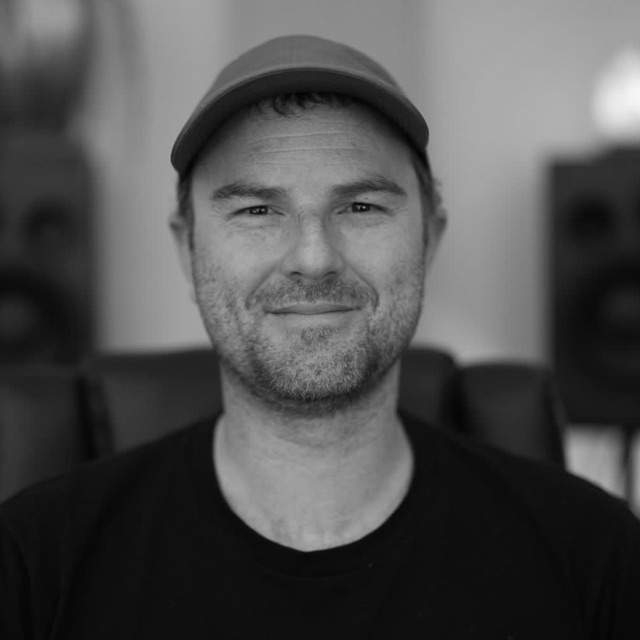
Dan Murtagh is a Melbourne mixing and mastering engineer with 20 years making records and a decade teaching audio. He built StemConsole as a practice tool for his students. More about Dan.